Los Angeles holds a wide range of sunset viewpoints, yet not every location suits a calm evening. Traffic, parking pressure, and crowd buildup often shift the experience. Many travelers arrive late, circle for parking, then rush through the moment. A slower approach changes that. The right spot, paired with timing and awareness, turns sunset into a steady pause rather than a hurried photo stop. This guide focuses on locations that allow space, quiet, and a more grounded way to end the day.
Griffith Park Hillsides and Overlook Points
Griffith Park draws heavy daytime traffic, especially near the observatory, yet the wider park offers quieter hillside areas that feel removed from the main flow. Small trails branching away from the central road give a better sense of stillness. The western slopes face the setting sun directly, with views stretching over the city grid and distant ocean haze.
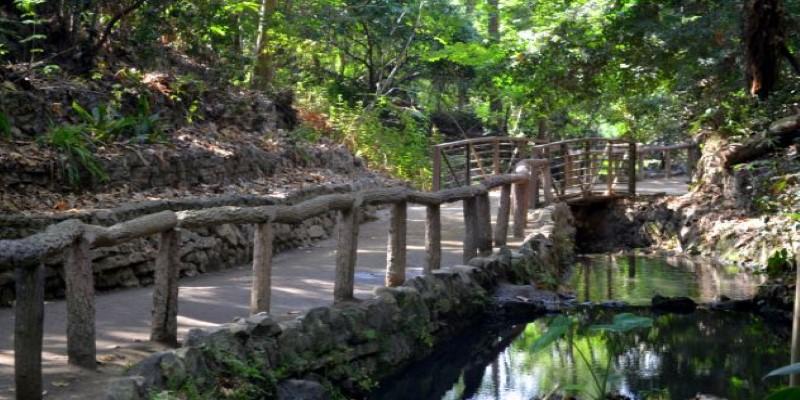
Timing tends to be where things go wrong. Many visitors arrive just before sunset, only to find the parking full and roadside spots already taken. That usually means rushing down the path and sharing crowded viewpoints. Getting there at least an hour earlier makes a big difference. You have time to move away from the main access points, where the foot traffic thins out and the setting feels much calmer.
During peak travel months, especially summer, haze can soften the skyline. That is not always a drawback. The light diffuses, creating a slower shift in color rather than a sharp drop behind buildings. Travelers expecting a clear horizon may feel disappointed, yet those looking for a gradual transition often find it more calming.
Cell reception stays strong in most areas, which helps with navigation but also keeps distractions close. Turning off notifications or placing the phone away for part of the time helps maintain focus on the setting light.
El Matador State Beach and Nearby Coastal Coves
El Matador feels like a quieter side of Malibu. Sea stacks and small arches catch the last light, and the short walk down is sandy, uneven, and a bit steep, which naturally keeps the crowds thinner. It helps to plan for the descent. Sturdy shoes work better than flip-flops, and the climb back up can catch tired legs off guard.
Parking is the make-or-break detail. The lot is tiny and fills fast on weekends. If you end up along PCH, read every sign; enforcement is real, and the shoulder can be narrow. Aim for mid-afternoon, then settle in without the clock ticking.
Down on the beach, the mood changes. Waves do most of the talking, and the cliffs cut the road noise to a low murmur. As the sun drops, light slides through the rock openings and turns the sand warmer for a few minutes at a time. Pick a spot above the damp line and give yourself room to stay still.
Tides matter here more than expected. High tide can squeeze the shoreline and push everyone closer together. A quick tide check before leaving saves frustration. Weeknights stay calmer than most Saturday evenings. Bring a small light for the walk up and leave before full dark if you want the calm to last.
Palos Verdes Peninsula Cliffs and Quiet Lookouts
South of the main city, Palos Verdes offers a different pace. The cliffs face the Pacific with fewer commercial distractions. Several pull-off areas and small parks provide seating without the heavy foot traffic seen in more central locations.
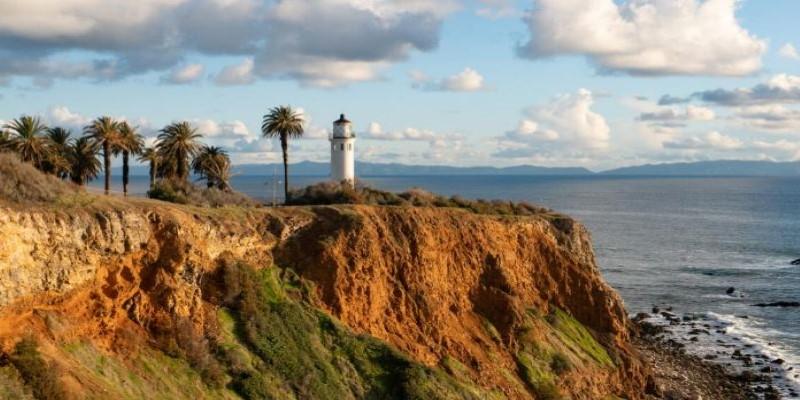
Travelers often overlook this area due to its distance from typical hotel zones. That works in its favor. Fewer day-trippers arrive, and the environment stays quieter even during peak travel periods. Driving time can increase during late afternoon traffic, especially on weekdays, so leaving earlier than expected helps maintain a relaxed schedule.
The terrain varies from paved viewpoints to uneven coastal paths. Some sections lack guardrails, which requires attention near cliff edges. This is not a place for rushed movement or crowded gathering. Marine layers play a larger role here. On some evenings, fog moves in quickly, covering the horizon before sunset. This can feel disappointing after a long drive.
Checking coastal weather patterns in advance helps set expectations. Even on foggy days, the fading light still creates a muted, slower atmosphere that suits quiet reflection. Parking tends to be easier than in Malibu or central Los Angeles, though certain small lots fill during weekends. Street parking nearby usually remains available, but distances may vary.
Urban Rooftops and Elevated Public Spaces
Not every sunset calls for sand in your shoes. Up high, Los Angeles can feel quieter, even in the middle of the week. A rooftop deck, an open-air observation level, or the top floor of a parking structure can give the sky room to take over, without the long coastal drive.
Downtown has plenty of vantage points, but the obvious rooftops draw lines and loud crowds close to sunset. The calmer move is picking places that locals treat as pass-through spots. Some garages have upper levels with wide western views, and the light can be surprisingly good once the sun starts hitting the glass and concrete at an angle. A quick check for posted rules helps, since access can change with events or security shifts.
City sunsets come with sound. Sirens, buses, and music drifting up from the street are part of the package. The trick is choosing height over hype, and stepping back from the edge so the noise fades into a steady hum. One more practical note, bring a light layer. Rooftops cool fast after the sun drops, and the walk back feels longer in the dark.
Conclusion
A calm sunset in Los Angeles depends less on the location name and more on timing, access, and awareness. Each setting carries trade-offs, from parking limits to shifting weather. Planning ahead removes most of the friction. Arriving early, checking local conditions, and stepping slightly away from crowded areas all help create space. The result feels slower and more grounded, turning a routine evening into a steady pause before night settles over the city.