For many households, the budget problem is not coffee or the occasional impulse buy. It is a monthly cost structure that keeps getting heavier: rent, car payments, insurance premiums, phone plans, and interest charges. Recent BLS data shows housing alone accounted for about 33% of household spending in 2024, which helps explain why small frugal habits often fail to change the numbers much.
Dramatic cuts usually come from a few decisions that lower the baseline, not from constant restraint at the checkout counter. The more useful question is not which expense feels easiest to skip today. Which recurring cost can be reduced without making daily life less reliable next month?
Reset The Big Bills Before Trimming Minor Discretionary Spending
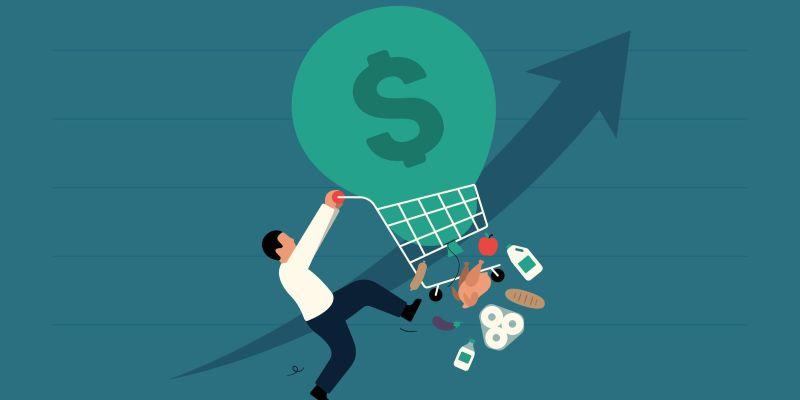
Most dramatic spending cuts come from bills that recur every month, not from trying to win back $4 here and $12 there. Recent BLS data shows housing averaged about 33.4% of household spending in 2024, and transportation another 17.0%, or just over half combined. (Bureau of Labor Statistics) That is where the first review belongs.
A practical starting rule is simple: pull out every recurring charge over roughly $75 a month, then rank those costs by how much they could fall in the next 30 to 60 days. Rent, car payments, insurance premiums, phone plans, internet service, parking, and commuter costs usually matter more than restaurant trims. A household that saves $90 on insurance, $40 on a phone plan, and $60 by dropping a second streaming-and-delivery bundle has lowered its baseline by $190 a month. That is more durable than cutting three takeout meals and then drifting back.
Some reductions are easy only at specific moments. Insurance shopping works at renewal. Housing changes often depend on the lease calendar. Dropping from two cars to one can save far more than couponing, but only if work schedules, school pickups, and reliability still hold together. Easy does not mean painless. It means the savings keep showing up after the first month.
Use A Triage Rule For Every Expense Review
An expense review works better with an order of operations. Without one, households often cut the visible small stuff first and leave the expensive habits intact. A workable triage rule is to sort every charge into three buckets: cut now, test for 30 days, or keep. Four questions do most of the sorting: How often does it recur? How much does it save each month? How hard is it to reverse? What breaks if it disappears?
Recurring Beats One-Off
A $25 monthly charge deserves more attention than a one-time $40 bargain hunt because it frees up $300 over a year with no repeated effort. The first pass should focus on subscriptions, service plans, memberships, app charges, and routine add-ons attached to larger bills. If an expense shows up every month and no one would notice its absence after two weeks, it belongs in the cut now.
Reversible Beats Permanent
Downgrades and pauses usually beat drastic cuts. Canceling a premium mobile plan and testing a cheaper tier for one billing cycle is safer than dropping service features that affect work, school, or safety. Households can also mark some costs as keep for now, not because they are ideal, but because replacing them would create new costs, fees, or daily friction.
Turn Off The Costliest Defaults

A surprising share of overspending comes from settings that make spending automatic: stored cards, auto-renewals, one-click delivery, rush shipping, and overdraft coverage left on by default. Those charges feel small in isolation, but they repeat with almost no friction. Recent CFPB reporting describes a typical overdraft fee of roughly $35, and notes that consumers often incur fees that are out of proportion to the purchase itself. (Consumer Financial Protection Bureau)
A practical rule is to target any charge that can recur without an active decision. Start with subscriptions, app renewals, retail memberships, food-delivery accounts, and bank fees. Then remove saved payment methods from the retailers most likely to capture impulse buys. Households that order takeout twice a week can also set a fixed weekly cap instead of letting delivery fees and markups float.
Some defaults are useful. Automatic bill pay prevents late fees when cash flow is steady. Overcorrecting can create new problems, including missed payments or service lapses. The better move is selective friction: manual renewal for nonessentials, alerts for low balances, and autopay reserved for core bills.
Treat High-Interest Debt As A Spending Problem, Not Just A Balance Problem
Credit card interest is easy to miss because it does not feel like shopping. It is still spending. Recent Federal Reserve G.19 data put the average APR on credit card plans for all accounts at about 21.0% in February 2026, which is high enough to turn a manageable balance into a stubborn monthly cost. (FRED)
A simple rule helps here: after minimum payments are covered on every account, extra dollars go to the highest-rate balance first unless a promotional rate is about to expire sooner. On a $5,000 balance at roughly 21% APR, interest alone can run close to $85 to $90 in a month before the balance moves much. That kind of drag belongs in the same category as an overpriced utility bill.
Rate-reduction options need screening. A balance transfer works best when the fee is modest, the promotional window is long enough to make real progress, and new charges will not land on the old card. A consolidation loan can lower the monthly payment while raising the total cost if the term stretches too far. Calling the issuer for a hardship rate or workout plan is less glamorous, but sometimes cheaper than chasing a teaser offer.
Prefer Reversible Savings To False Bargains
Some spending cuts look efficient and still leave households worse off. Annual subscriptions with a discount can raise total spending when the service goes unused after two months. Warehouse runs can lower the unit price while increasing waste, especially for perishables and household items already bought too far ahead. Sales-driven shopping has the same problem. A $70 jacket marked down from $120 is not a savings win if it was never needed.
Use A Reversal Test Before Calling It Savings
A useful filter is this: if the purchase cannot be paused, returned, or reduced without hassle, the discount deserves extra skepticism. Real savings usually stay flexible. Downgrading a phone plan, pausing a membership, or switching insurers can be reversed if the change creates friction. Prepaying for 12 months, buying in bulk without a usage plan, or trimming insurance coverage often locks in the downside.
The cheapest option on paper is not always the lowest-cost choice over a full year.
Start With The Cuts That Change The Monthly Baseline
For households trying to cut spending fast, the cleanest order is usually this: review recurring bills over $75 first, target any debt charging roughly 20% interest or more, then remove the defaults that make spending automatic.
Anything that saves money only with perfect behavior or long-term lock-in deserves extra scrutiny. A simple final screen works well: Is the cost recurring, large enough to matter monthly, and easy to reverse if daily life gets worse? If all three answers are yes, it is usually worth acting on now.