London suits walking better than most major cities. Streets link parks, riverbanks, and historic buildings without long gaps. Daily movement blends easily into sightseeing. Many visitors arrive with tight schedules and rely on transport, then miss smaller details between major stops. Walking solves that gap. It brings steady pacing, fewer delays, and more control over time. Some routes stay calm even during peak travel months, while others require early starts. Planning matters, especially during seasonal surges when foot traffic increases near central landmarks.
Riverside Walk Along the Thames Path
The Thames Path is one of those London walks that just works. It’s easy underfoot, mostly flat, and it threads together big-ticket sights without feeling like a march between attractions. Start near Westminster Bridge while the city is still rubbing its eyes. The river looks calmer, commuters move with purpose, and there’s room to settle into a steady pace.
Heading east toward London Bridge, the views keep changing without demanding detours. The London Eye sits back from the water, St Paul’s rises across the Thames like a quiet landmark you keep checking in on, and the Shard gradually takes over the skyline. Around South Bank, performers and pop-up stalls can slow the flow, especially on weekends, so it helps to treat that section as a wandering stretch rather than a fitness loop.
This route fixes a real travel headache, mid-morning tube stations that feel packed and sluggish, plus bus journeys that crawl through traffic. Walking stays predictable. The trade-off is exposure. Wind cuts along the river and rain arrives sideways, so a light waterproof and grippy shoes make a difference, particularly on older stone sections near the bridges.
Green Escape Through Hyde Park and Kensington Gardens
Hyde Park and Kensington Gardens feel like a deep breath in the middle of London. The two parks join seamlessly, so the walk flows without the stop start feeling that city routes often bring. Start at Marble Arch, step away from the traffic, and the pace changes almost instantly. The broad paths make it easy to keep moving, even on busy days, and there’s room to slow down without blocking anyone.
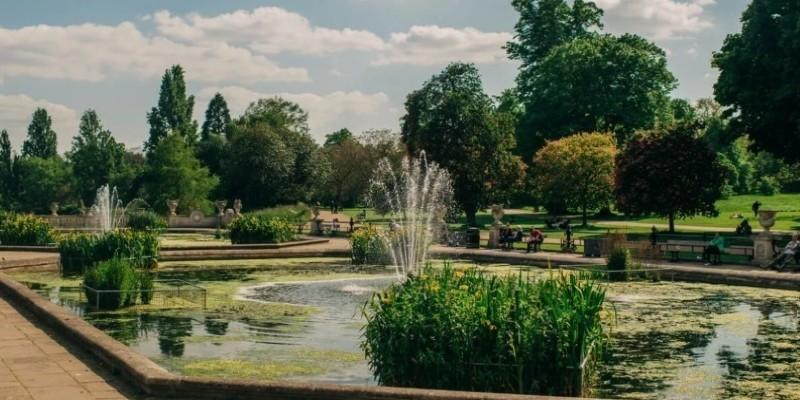
This route works well after a flight or a packed morning of sightseeing. The Serpentine becomes a natural anchor point, with water views and enough benches to pause for a few minutes without turning it into a long break. In warmer months, the tree cover gives real relief, though the lakeside area draws crowds. Early spring and autumn tend to feel calmer, with softer light and fewer tour groups drifting through.
A practical note, cyclists share several stretches. Stick to the pedestrian side and keep an eye out near junctions where lanes merge. Along the way, the Diana Memorial Fountain and Kensington Palace fit in naturally, no detours needed. Cafés inside the park are convenient for a quick bite, but prices run higher than on nearby streets. The walk ends well near Exhibition Road, close to the Natural History Museum, for an easy next stop.
Historic Streets Between Covent Garden and St Paul’s Cathedral
Start in Covent Garden early, before the piazza turns into a slow shuffle of cameras and queueing crowds. Slip out via the back streets toward Holborn, where the mood changes fast. The theatres and market bustle fade, replaced by old brick lanes, tucked-away courtyards, and shopfronts that look like they have been trading forever.
Keep heading east, and Fleet Street begins to tell its story. Legal London sits right on the pavement, with chambers and courts clustered close together, and then glassy office blocks appear almost without warning. It's a good reminder that the city keeps rebuilding on top of itself, not clearing the past away, just squeezing it in.
St Paul's works best on this walk. It doesn't hit all at once. The dome shows up in fragments between buildings, then the streets widen, and it finally takes over the view. Expect mixed footing. Some patches are cobbled and uneven, so trainers beat slick soles. For a quick bite, grab something small from a bakery or takeaway en route and keep moving. Weekdays can feel rushed at commuter hours, so aim for mid-morning or a calmer weekend slot.
Canal Walk from Little Venice to Camden Market
The canal walk from Little Venice to Camden Market feels like a reset button after the busy center. It starts around Little Venice's waterside cafés and moored boats, then slips onto the Regent's Canal towpath, where traffic noise fades fast. The pace naturally slows. Narrow stretches mean it's less about powering through and more about settling into a steady rhythm, watching barges drift past, and pausing at the small bridges.
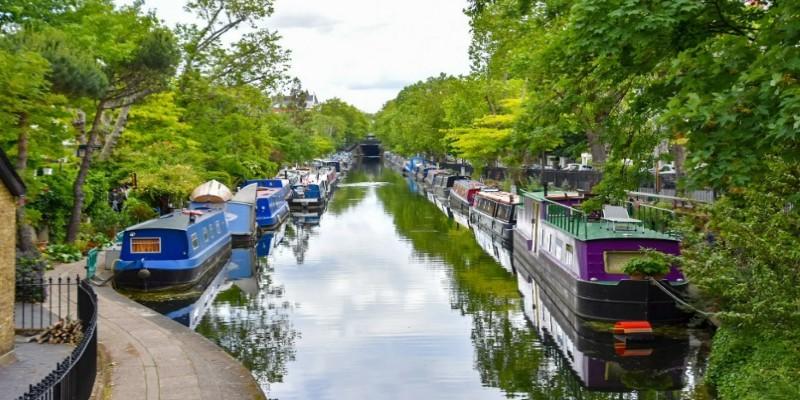
Most of the route runs alongside quiet residential streets, with pockets of green as it skirts Regent’s Park. On calmer mornings, birds skim the water and perch along the reeds, and the reflections can be surprisingly sharp on clear days. Expect about one to two hours on foot, depending on stops, photos, and the flow of other walkers.
The canal also has its practical side. It's a straightforward line between two areas that can take longer than expected by tube, once station walks and platform waits are added. Weekends bring more foot traffic, especially near pinch points under bridges, so a little patience helps.
Camden Market makes a lively finish. Late morning tends to work best, before lunchtime queues build and the paths around the stalls start to clog. After rain, the towpath can stay slick in shaded spots, so footwear with decent grip makes the walk more comfortable.
Conclusion
Walking through London gives structure to a trip without adding pressure. Routes connect landmarks, parks, and quieter corners in a way transport cannot match. Timing and route choice shape the experience, especially during busy seasons. Early starts often bring the best conditions. Comfortable pacing prevents fatigue and keeps the day flexible. Each route offers something different, from riverside views to quiet canals. With simple planning, walking becomes one of the most practical ways to experience the city.