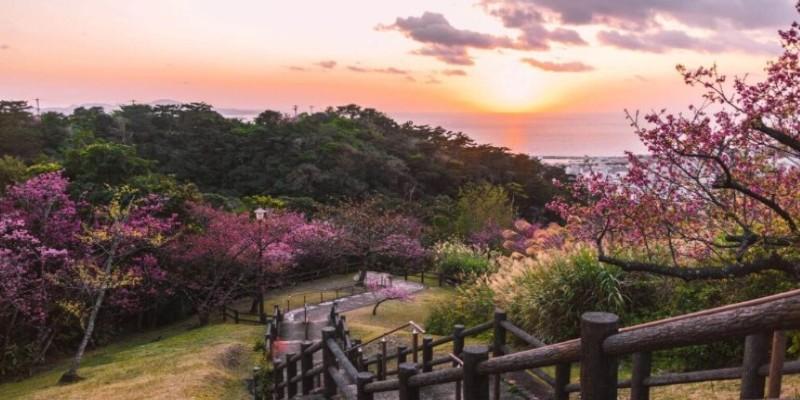
Arrival in Okinawa brings a subtle shift in pace that becomes noticeable in everyday moments, morning markets, shaded village paths, and quiet community spaces. Wellness here is not packaged or scheduled; it exists in routines shaped by climate, heritage, and social connection. Away from familiar resort settings, opportunities for rest appear in unexpected places. Simple interactions, local therapies, and nature-based practices create space for recovery, making the islands an ideal setting for travelers seeking renewal through authentic cultural experiences.
Traditional Ryukyu Healing Practices in Everyday Settings
Ryukyu healing shows up in places that feel lived-in, not staged. Think small clinics on side streets, a treatment room behind a curtain, maybe a home entrance with slippers lined up by the door. The work tends to be hands-on and unhurried, with herbal compresses, steady massage, and local techniques kept alive through practice rather than branding. If a traveler arrives expecting a glossy resort setup, the simplicity can feel like a surprise at first.
The bigger snag is often communication. Many bookings go sideways when visitors assume fluent English or a neat menu of options. It usually runs on short phrases, gestures, and a few printed cards. A quick ask at the hotel front desk or a local tourism counter can smooth the process, and it cuts down on day-of cancellations that pop up more during Japan’s holiday weeks.
After a long flight into Naha, this kind of session can land perfectly. Heat and humidity hit fast, and jet lag sits on the shoulders. Gettou leaves, used in compresses in some places, bring a fresh, earthy scent that pairs well with slower pacing. Bring cash, confirm the price upfront, and keep the schedule loose. Rushing is the easiest way to miss the point.
Forest Walks and Quiet Trails Away from Tourist Routes
Northern Okinawa, especially the Yanbaru region, offers forest-based wellness rooted in quiet movement rather than structured programs. Trails pass through dense subtropical vegetation, with humidity creating a steady physical presence. Walking here feels different from cooler climates. Sweat builds quickly, and pacing becomes important.

Travelers often underestimate how physically demanding these walks can be. Booking a guided session helps manage timing and hydration. Guides adjust routes based on weather conditions, which shift rapidly during the summer months. Sudden rain can change trail safety, especially on unpaved paths.
A typical scenario involves visitors scheduling beach time but leaving inland areas for later in the trip. By that point, fatigue sets in, and energy for longer walks drops. Scheduling forest visits earlier in the itinerary leads to a better experience. Morning hours also avoid peak heat. There are limitations. Public transport to Yanbaru remains limited, and rental cars become necessary.
During busy travel periods such as Golden Week, vehicle availability tightens, leading to higher prices. Planning transport early reduces last-minute stress. These forest areas do not include large visitor centers or extensive signage. That absence creates a quiet environment but requires preparation. Bringing water, insect protection, and offline maps makes a noticeable difference.
Local Food as a Daily Wellness Practice
Okinawan cuisine plays a central role in daily health routines. Meals focus on vegetables, tofu, seaweed, and smaller portions of meat. Dishes such as goya champuru reflect a balance of bitterness, protein, and texture. For travelers, this offers a reset after heavier meals common during international trips.
Restaurants serving traditional food often sit outside major tourist zones. Finding them requires a bit of effort. Hotel staff or taxi drivers can suggest reliable spots, though language gaps may affect recommendations. Menus may not always include English descriptions, which creates hesitation for some visitors.
A practical challenge appears during short stays. Travelers try to fit multiple dining experiences into a limited time, leading to rushed meals. Slowing down, choosing fewer places, and allowing time between meals aligns better with local eating habits. Seasonal changes also affect availability. Certain vegetables and dishes appear only at specific times of year.
This can surprise travelers expecting consistent menus. Asking about seasonal specials often leads to more authentic meals. Portion sizes can feel smaller than expected, especially for those used to larger servings. Ordering an extra side dish or sharing multiple plates helps balance this. The goal is not fullness but steady energy throughout the day.
Small-Scale Retreats and Community-Based Wellness
Small-scale retreats in Okinawa tend to feel less like a program and more like being folded into a slower household rhythm. Many are run by local hosts, open only on certain weeks, and built around quiet routines rather than a packed schedule. That sounds simple on paper, yet it creates a real planning hurdle. Dates can disappear fast in school holiday periods, and the places that keep group sizes small often fill first. If this is the anchor of a trip, it’s worth locking it in early instead of hoping something will be open on arrival.

Days usually start gently, maybe with stretching on a shaded deck, then an unhurried meal made from local staples. Sessions might happen in an airy studio, a converted room in a traditional home, or a garden space where the breeze does most of the work. The pace can feel strange after bus tours and tight timelines, so building in a buffer day helps the body catch up.
Language support varies. Some hosts communicate fine through short messages and printed notes, while others keep things mostly in Japanese. Confirm expectations before paying. Weather matters too. Late summer storms can force changes, so choose flexible bookings and check cancellation terms. Payment may be by transfer or cash, not always by card.
Conclusion
Okinawa offers more than coastal views, with wellness woven into daily routines across the islands. Small clinics, forest paths, local meals, and community retreats provide options grounded in real life. Planning ahead makes a clear difference, especially during busy seasons and weather shifts. Each experience carries its own pace and limitations, yet together they shape a deeper sense of balance that stays with visitors long after the trip ends.