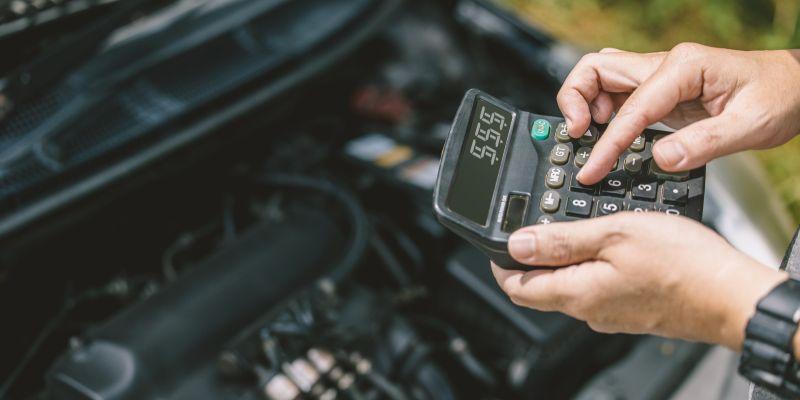
A used car can look affordable at the lot and turn expensive by the second oil change. For many households, the real strain is not one catastrophic breakdown but a stack of ordinary costs that arrives early: tires, brakes, fluids, a battery, and catch-up service on work the last owner postponed.
Recent AAA data puts maintenance, repair, and tires for a typical vehicle at 11.04 cents per mile, and older used cars can run higher once deferred work starts to surface. That is why the smartest price check is not the monthly payment or even the sale price alone. It is the first-year total after inspection, scheduled service, and the repairs that mileage tends to bring.
The Maintenance Budget Starts Before The Test Drive
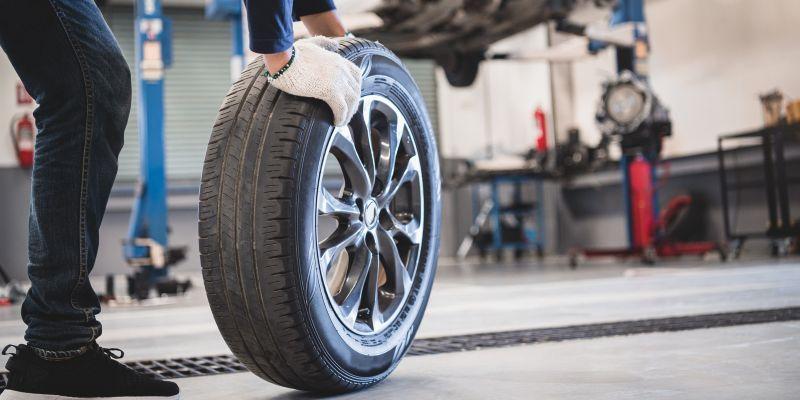
The first maintenance decision happens before a household checks the paint, seat wear, or infotainment screen. A used car budget works better when it is split into three buckets from the start: catch-up service that may be due immediately, wear items likely to surface within the first year, and model-specific failures that change the risk of ownership.
Recent AAA data puts maintenance, repair, and tires for a typical vehicle at 11.04 cents per mile over five years, but older used cars often run above that baseline once deferred work appears.
A car that starts cleanly and drives smoothly can still be carrying overdue fluid service, aging tires, weak brakes, or a timing-belt interval with no proof it was done. In practice, the maintenance budget starts with records, mileage, and service history, not the seller’s description.
The Repairs That Come With Mileage, Not Bad Luck
Most used-car repair bills are not surprises in the usual sense. They are age-and-mileage costs that were already on the calendar, even if the seller never framed them that way. Tires, brake pads and rotors, batteries, oil service, filters, coolant, and transmission fluid often arrive in clusters.
A household that buys a car needing four tires and front brakes at the same time is not dealing with bad luck. It is absorbing maintenance that was delayed until the sale.
The Expensive Part Is Often The Pileup
The larger bills tend to show up around major service intervals or once rubber and suspension parts start aging out. Depending on the model, that can mean spark plugs, shocks and struts, control-arm bushings, wheel bearings, or a timing-belt and water-pump job with no proof it was done. One item may be manageable. Three at once can erase the savings from a lower sticker price.
A practical screen helps here. If a car is near a major mileage interval and the records are thin, households can treat that service as due now. A $2,000 discount is not much of a bargain if the first six months bring tires, brakes, and overdue fluid service that absorb most of it.
What A Clean History Report Still Does Not Settle
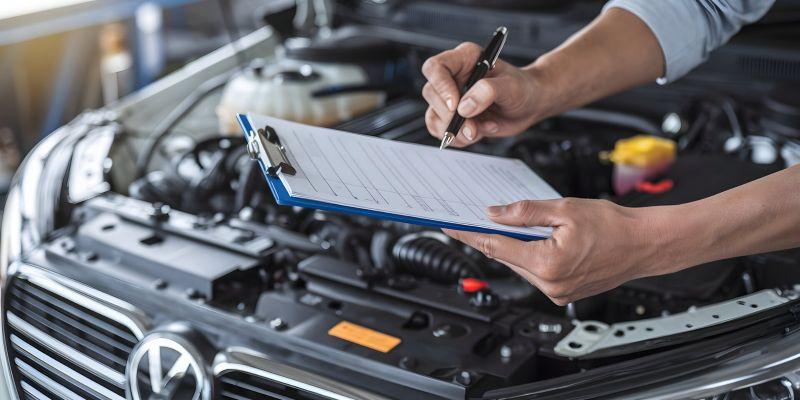
A clean history report narrows one kind of risk, but it does not settle the maintenance question. Many of the expensive problems in used-car ownership never show up as accidents or title brands.
A car can have no major collision history and still carry thin oil-change records, overdue coolant or transmission service, aging tires, weak brakes, or a battery near the end of its life. That gap matters most on cars sold right before a major service interval, where the next owner inherits costs that were easy to postpone and hard to ignore.
Recalls belong in the same category of unfinished business. In a January 2025 report, NHTSA said it processed 1,000 recalls in 2023 covering more than 39 million vehicles and motor vehicle equipment items. The repair is performed at no charge, but the VIN check is still worth doing before money changes hands.
NHTSA also notes that its VIN lookup will not show recalls that were already repaired and may miss some older or recently announced campaigns, so a recall check helps, but it is not a substitute for an inspection or service records.
Separating Bargains From Budget Traps
A workable rule is simple: if a seller cannot document a major service, households can price that work as due now. That changes the math fast. A car listed at $13,500 is not really a $13,500 car if it also needs tires within months, front brakes before winter, and a transmission service with no record of when it was last done. The useful number is the first-year total, not the asking price.
That total starts with the sale price, taxes and registration, a pre-purchase inspection, immediate repairs, and a repair reserve for the first 12 months. Cosmetic flaws belong at the bottom of that list. Safety and drivability sit at the top. Tires with uneven wear, thin brake pads, old fluids, warning lights, leaking shocks, or a battery testing weak all outrank scratched trim or faded paint.
When The Discount Is Not Big Enough
Negotiation works best when the gap is narrow and visible. If the inspection turns up one overdue item, a discount may solve the problem. If it finds two or three larger needs at once, the discount has to cover more than parts and labor. It also has to cover downtime, the risk of another deferred repair surfacing, and the fact that the household is starting ownership in catch-up mode.
Walking away is often the better call when thin records meet a major system concern. A low price can still be too high if the first six months are likely to bring brakes, tires, suspension work, and a big scheduled service on top of the purchase.
When Paying More Up Front Actually Lowers Maintenance Risk
A higher purchase price can buy something more useful than newer paint or lower mileage. It can buy time before the next round of maintenance comes due. A used car with complete service records, a common powertrain, and a recent inspection often costs more at the front end, but it can reduce the odds of absorbing tires, brakes, fluid service, and one larger repair in the same year.
That premium still needs limits. Recent Cox Automotive data put the average used-vehicle listing price at $25,287 in February 2026, while cars priced below $15,000 had only 31 days’ supply, well under the overall market average. That leaves many households choosing between a tighter budget and a riskier car.
Paying more backfires when the extra money goes only to low mileage or cosmetic condition. An older car with shiny paint and 60,000 miles can still need a battery, tires, rubber components, and overdue fluid service. Certified pre-owned can lower near-term repair risk, but it also narrows the room left for a repair reserve. A better buy is often the car that is less flashy and better documented.
What To Verify Before Signing
A practical finish line is a short four-part screen: service records first, pre-purchase inspection second, recall check third, and a first-year repair reserve before any offer is final. Households that cannot cover those four items are often looking at the wrong car, even if the payment fits.
Recent AAA data put maintenance, repair, and tires at 11.04 cents per mile for a typical vehicle, which is a useful baseline for building that reserve before older-car catch-up costs are added. The cleaner choice is rarely the one with the lowest price tag. It is the one with the fewest unanswered maintenance questions.