You’re stressed—but something feels different this time
You’ve handled stress before: deadlines, family stuff, money worries. This time, it doesn’t shut off when the situation does. You might lie down tired but wired, wake up with your heart already going, or notice your stomach flip during ordinary errands. Nothing looks “wrong” from the outside, yet your body keeps acting like something is about to happen.
That mismatch is what makes people second-guess themselves. It can be anxiety ramping up, but it can also be a sleep debt, too much caffeine, a medication side effect, thyroid problems, or something medical that deserves a real check. The hard part isn’t naming it—it’s catching the early signals before it turns into a crisis.
What counts as an early anxiety signal (before it becomes a crisis)?
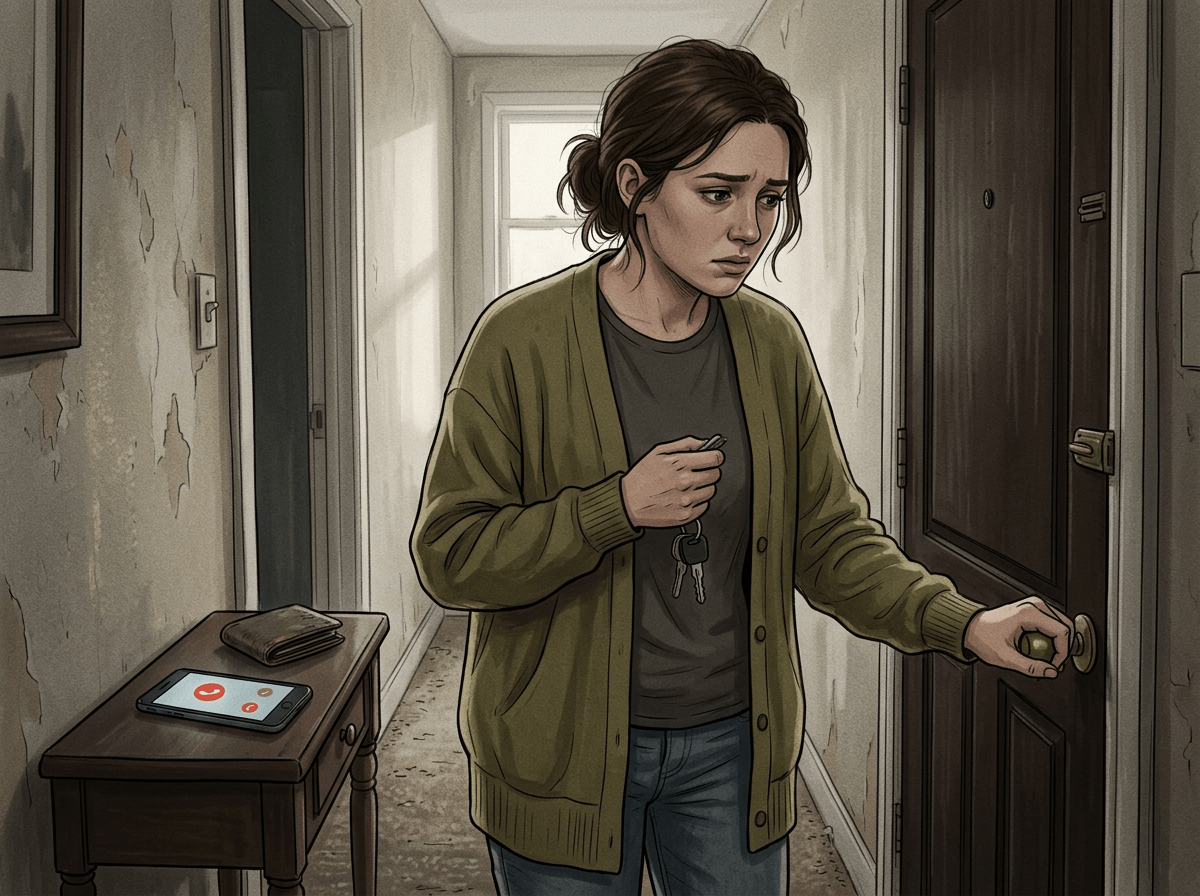
Catching those early signals usually looks like noticing patterns, not one dramatic moment. You can feel on edge for no clear reason, start scanning for problems, or replay the same “what if” thoughts even when nothing changes. You might also notice you’re avoiding small things—opening email, making a call, driving a usual route—because it feels easier to put it off than to push through the discomfort.
Early anxiety often shows up as a stuck “alarm” response: trouble falling asleep, waking too early, feeling jumpy, or getting irritated faster than normal. Some people feel mentally foggy because they’re spending so much energy trying to stay in control.
These signals are easy to explain away for weeks as “just a busy season.” If they’re happening most days for two weeks, or your coping keeps shrinking, treat that as information worth acting on.
When your body is the loudest symptom: heart, chest, stomach, breath
When it’s happening most days, the part that grabs your attention is often physical. Your heart may skip, your chest can feel tight, your stomach may churn, and your breathing can get shallow—sometimes even when you’re sitting still. A lot of people describe it as “I can’t get a full breath,” even though they’re not doing anything strenuous.
This can be your nervous system staying in high gear after stress, but it can also overlap with things that have nothing to do with anxiety. Reflux can mimic chest pressure. Low blood sugar can cause shakiness. Dehydration and caffeine can drive palpitations. That’s why it helps to note the basics around an episode: time of day, what you ate or drank, sleep, and whether it improves with slow breathing or a short walk.
Body symptoms can feel urgent even when the risk isn’t. If they’re new, escalating, or hard to settle, that’s a reason to keep going and do a quick reality check.
A quick reality check: is it starting to interfere with your life?
That “quick reality check” is often where it becomes clearer: not whether you feel anxious, but whether it’s starting to run your day. You might still get through work, yet you’re rereading the same email three times, calling in sick “just to rest,” or turning down plans you’d normally keep because it feels safer to stay close to home.
Look for interference in plain places. If sleep is off enough that you’re relying on naps, extra caffeine, or you’re snapping at people over small things, that counts. If your body symptoms are steering choices—skipping workouts, avoiding driving, eating less because your stomach feels tight—that counts too. A helpful threshold is whether you’re spending more time managing the feeling than doing the thing you intended to do.
Life can look “fine” on paper while your coping shrinks. If you’re rearranging your week to avoid triggers, it’s time to consider what needs attention next.
Red flags that shouldn’t wait (same-day or emergency)

If you’re rearranging your week to avoid triggers, it can be tempting to “wait it out.” But some symptoms deserve a faster decision, even if anxiety is still on the list of possibilities. When the feeling is new, severe, or keeps escalating, treat it as a safety problem first and sort out the label later.
Seek emergency care or call emergency services if you have chest pain or pressure that’s intense, lasts more than a few minutes, or comes with sweating, nausea, fainting, or pain spreading to your arm, jaw, back, or neck. The same goes for severe shortness of breath at rest, bluish lips, coughing up blood, new weakness or numbness on one side, trouble speaking, or a “worst headache” that hits suddenly. If you’re thinking about harming yourself, or you don’t feel safe, get help immediately.
Same-day care makes sense for a first-time panic-like episode, a very fast or irregular heartbeat that won’t settle, repeated fainting, severe dehydration from vomiting/diarrhea, or symptoms after starting a new medication or substance.
Choosing your next step: track, schedule, or seek immediate care
Once you’ve ruled out the “don’t wait” red flags, the next decision is usually practical: do you watch this for a bit, book a routine visit, or get seen today. In real life, people often bounce between all three—tracking nothing, then suddenly panicking when a bad episode hits. A simpler approach is to pick one lane for the next 7–14 days based on how predictable and disruptive this has been.
Track if symptoms are mild, come and go, and you can still do your normal day. Write down the time, what you ate or drank (including caffeine), sleep, meds/supplements, what you were doing, and what helped (breathing, walking, eating). Schedule a primary care or therapy appointment if it’s happening most days, you’re avoiding things, sleep is consistently off, or you keep needing “workarounds” to function.
Choose same-day care if episodes are new for you, keep escalating, don’t settle with rest, or you can’t tell whether it’s anxiety or something physical. Appointments can take weeks, so you may need to start tracking now while you line up care.
If this is anxiety, it’s treatable—and you don’t have to wait until it’s “bad enough”
Appointments can take weeks, which is exactly why it helps to treat “maybe anxiety” as worth addressing now, not after you’re barely sleeping or avoiding half your life. In practice, care often starts with a primary care visit to rule out common medical drivers and talk through options, plus therapy skills that lower the body alarm over time. Some people also benefit from medication, especially when sleep and panic-like surges keep breaking through.
Tracking patterns, showing up weekly, and practicing tools on ordinary days, not just during spikes. If you keep waiting for “proof,” the pattern usually gets more entrenched. Pick one concrete step this week—book the visit, message a therapist, or bring your symptom notes to same-day care.