Tokyo changes quickly across the year, and that shift affects more than sightseeing. Temperature swings, humidity levels, and crowd patterns all shape daily comfort. Many travelers focus only on popular seasons, but that often leads to packed trains, long queues, and higher prices. A more balanced approach considers how the weather feels hour by hour, not just average temperatures. Timing a visit well can reduce fatigue, improve sleep, and make walking-heavy days far more manageable.
Spring Balance, Mild Days with Hidden Trade-Offs
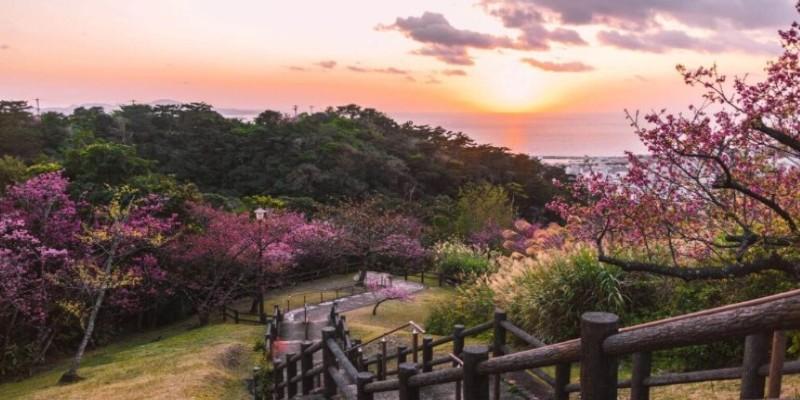
Spring often feels like the obvious choice for Tokyo, especially from late March into early April. Daytime temperatures usually sit in a comfortable range, cool enough for long walks yet warm enough to avoid heavy layers. Streets and parks take on a softer look, and routes through areas like Asakusa or Ueno become easier to enjoy without the heat slowing things down.
Still, the experience rarely matches the calm image many expect. Accommodation prices climb quickly during peak bloom days, and flights tend to follow the same pattern. In some cases, prices shift within a few days based on blossom forecasts, which can throw off carefully planned budgets. Even simple plans, like booking a hotel near a park, become harder as availability tightens.
Crowds add another layer. Popular spots fill early, and trains feel more like weekday rush hours. Moving between neighborhoods takes longer, and finding a quiet place to sit can turn into a search.
Late April offers a more relaxed pace. Some blooms remain, temperatures stay steady, and daily movement feels less pressured.
Summer Heat, Energy Drain, and Urban Pressure
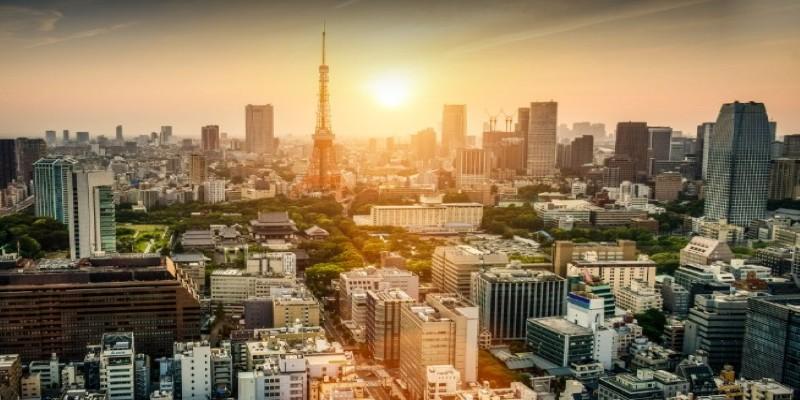
Summer in Tokyo runs from June through August, and it can feel like the city turns the temperature dial up and leaves it there. Days often push past 30°C, and the humidity sticks to everything, clothes, hair, and even patience. In places like Shibuya or along tight shopping lanes, the heat collects between buildings. A ten-minute walk can feel like a workout.
This season changes the rhythm of a trip. Many itineraries look fine on paper, then fall apart after lunch. Midday breaks become non-negotiable. Travelers duck into department stores, cafés, or hotel rooms to cool down, then try to restart later. That split day can shrink what gets done, and it often leads to rushed evenings.
June adds the rainy season, with showers that arrive fast and leave sidewalks slick. Umbrellas bump shoulders on narrow streets, and outdoor plans, gardens, shrine paths, and riverside walks get paused or cut short. It's workable, but it takes patience and a backup plan.
Costs are the trade. Flights and hotels usually ease off compared to spring and autumn, and rooms are easier to find. Summer festivals can be worth the effort, too, though crowded streets and slow-moving lines make hydration and rest part of the schedule.
Autumn Clarity, Stable Weather, and Better Travel Flow
Autumn, particularly from October to mid-November, offers one of the most comfortable experiences in Tokyo. Temperatures range from 15°C to 23°C, with lower humidity compared to summer. Air feels lighter, making long walks across neighborhoods far easier.
This season solves several practical travel issues. Energy levels remain steady throughout the day, reducing the need for midday rest. It becomes realistic to visit multiple areas without feeling rushed or drained. For example, a day covering Meiji Shrine, Harajuku, and Shinjuku remains manageable without exhaustion.
Crowd levels stay moderate. While autumn foliage attracts visitors, the volume spreads out across weeks rather than peaking sharply like spring blossoms. This creates smoother movement through parks and attractions. Public transport still gets busy, but not to overwhelming levels.
Accommodation pricing stabilizes. It sits higher than summer but below peak spring rates. Travel planners often recommend booking one to two months in advance during this period to secure reasonable deals without last-minute spikes.
Clear skies also improve visibility from observation decks and rooftop spaces. This matters for those aiming to see cityscapes or Mount Fuji on distant horizons. Weather consistency reduces the chance of missed views due to haze or rain. A small limitation exists. Late November starts to cool quickly, especially in the evenings. Light layering becomes necessary, and outdoor dining may feel chilly after sunset.
Winter Simplicity, Lower Crowds, and Crisp Air
Winter in Tokyo, running from December through February, tends to slip under the radar, which is exactly why it works so well. Days are crisp and dry, usually sitting around 2°C to 10°C, and the city gets plenty of clear skies. Snow rarely sticks, so plans don’t unravel the way they can in colder capitals.
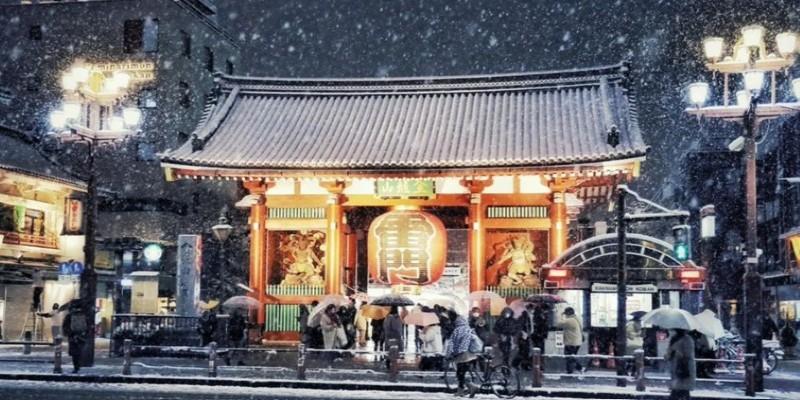
The biggest difference shows up in the rhythm of the city. Temples and museums feel calmer, queues shrink, and train stations are less of a squeeze outside commuter peaks. That breathing room matters after a long flight, especially when the day involves lots of walking and plenty of stairs.
Prices often ease too. Hotel rates and flight fares drop once the holiday rush passes, so it’s easier to book a well-located room instead of settling for a long commute from the outskirts. That’s a common pain point for travelers in spring and autumn, when good value rooms disappear early.
Cold weather is manageable with simple layers, and the midday sun can feel surprisingly pleasant. Even so, winter has its limits. Daylight fades earlier, some gardens look bare, and a few seasonal spots trim hours or close. New Year week needs special planning. Many businesses shut for a stretch, and transport runs on altered schedules. Outside that window, winter offers Tokyo at a calmer, more livable pace.
Conclusion
Tokyo offers something in every season, yet comfort depends on more than scenery. Spring draws attention but brings crowds and price spikes. Summer lowers costs but raises physical strain. Autumn delivers balance, with steady weather and manageable visitor levels. Winter offers calm streets and lower expenses, with fewer disruptions. Choosing the best time to visit Tokyo comes down to daily comfort, energy levels, and travel flow. A well-timed trip makes each neighborhood easier to enjoy without unnecessary stress.